10 Tips to Help You Pass Your Driving Test First Time
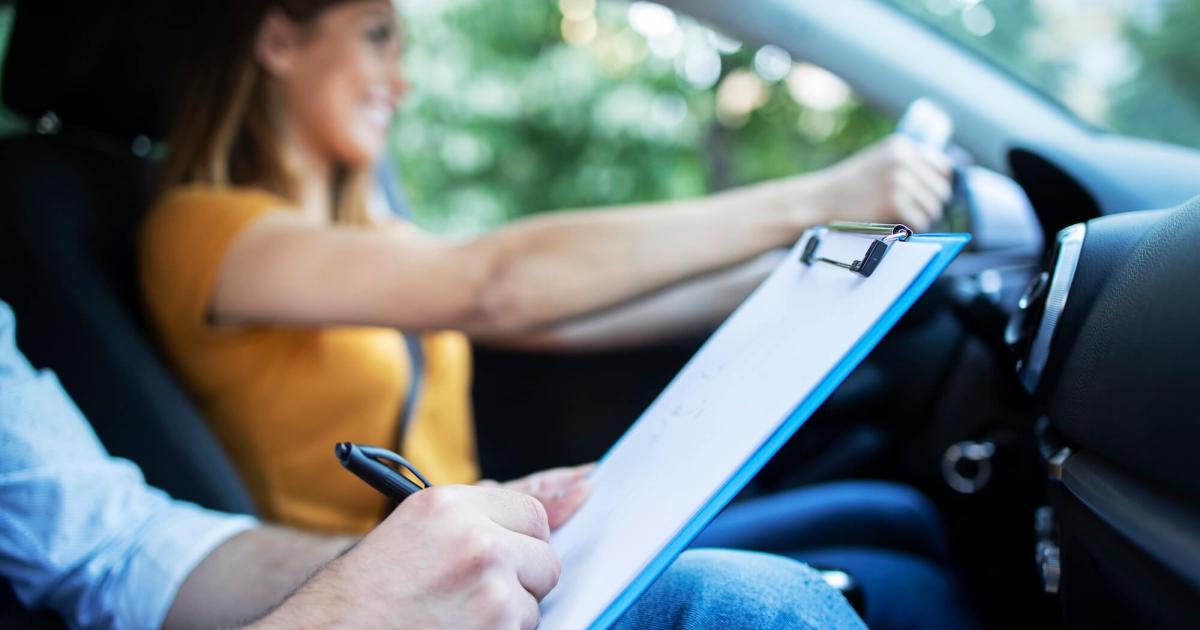
Passing your driving test is a huge milestone — and if you're reading this, you're probably getting close to booking yours. After years of helping learners through their tests, here are my top tips to give yourself the best chance of passing first time.
1. Make sure you're actually ready
This sounds obvious, but it's the single biggest factor. Don't rush into booking your test because your friends have passed or you're feeling pressure. Your instructor will tell you when you're ready — trust their judgement. A failed test costs you money and confidence.
2. Know your test routes
While the examiner can take you on any route, most test centres have a set of common routes they use. Practise driving around the test centre area so you're familiar with tricky junctions, roundabouts, and road layouts. It makes a real difference to your nerves on the day.
3. Get comfortable with independent driving
Around 20 minutes of your test will be independent driving — following a sat nav or road signs without turn-by-turn instructions from the examiner. This isn't about getting the route perfect. If you take a wrong turn, that's fine. The examiner is watching how you drive, not where you drive.
4. Master the manoeuvres
You'll be asked to do one manoeuvre on your test. It could be parallel parking, bay parking (reversing in or driving in), or pulling up on the right and reversing back. Practise all of them until they feel routine. The key is good observations and control — speed isn't important.
5. Use the MSPSL routine
Mirror, Signal, Position, Speed, Look. This routine should be second nature for every junction, roundabout, and lane change. Examiners are looking for a systematic approach to hazards. If you're consistent with MSPSL, you'll avoid most common faults.
6. Check your mirrors regularly
One of the most common reasons for minor faults is not checking mirrors frequently enough. Before any change of speed or direction, check your mirrors. Make it obvious — a quick glance isn't enough if the examiner can't see you doing it.
7. Don't panic over minor mistakes
You're allowed up to 15 minor faults (driving faults) and still pass. If you stall at a junction or clip a kerb, it's not the end of the world. Take a breath, correct it, and carry on. Most people who fail do so because a small mistake spirals into a bigger one through panic.
8. Watch your speed
Going too fast is an obvious problem, but going too slow can also be marked as a fault. In a 30mph zone, you should be doing close to 30 where it's safe to do so. On a dual carriageway, build up to 60-70mph confidently. The examiner wants to see that you can drive at an appropriate speed for the road.
9. Get a good night's sleep
Test nerves are completely normal, but being tired makes everything harder — your reactions, your observations, your concentration. Get an early night before your test, eat a proper breakfast, and arrive at the test centre with plenty of time to spare.
10. Book a lesson before your test
Having a warm-up lesson immediately before your test is one of the best things you can do. It gets you into driving mode, settles your nerves, and gives your instructor a chance to run through any last-minute things. Most instructors offer this as standard — take them up on it.
Final thought
The driving test isn't designed to catch you out. The examiner wants to see that you can drive safely and independently. If you've put the hours in and your instructor says you're ready, trust yourself. You've got this.
If you'd like to book lessons or have any questions about preparing for your test, don't hesitate to get in touch. I'm always happy to help.